
Huida
Mechanical grapples play a crucial role in various industries, from construction to forestry. John Peterson, a leading expert in heavy machinery, once stated, “The effectiveness of a mechanical grapple can transform operations, increasing efficiency and safety.” These tools are designed to grasp and manipulate large objects, providing versatility and precision.
A mechanical grapple typically attaches to equipment like excavators and cranes. It uses hydraulic power to open and close its gripping claws. This allows operators to handle materials such as logs, scrap metal, and debris effortlessly. The design of these grapples varies depending on the specific application they serve.
Reliability is key when selecting a mechanical grapple. Operators must consider the grapple's size and capacity. A mismatch can lead to operational inefficiencies. Companies must invest in high-quality grapples to ensure durability and performance. While there are diverse models available, not all are suited for every task. Thus, understanding their unique features is essential for optimal use in the field.
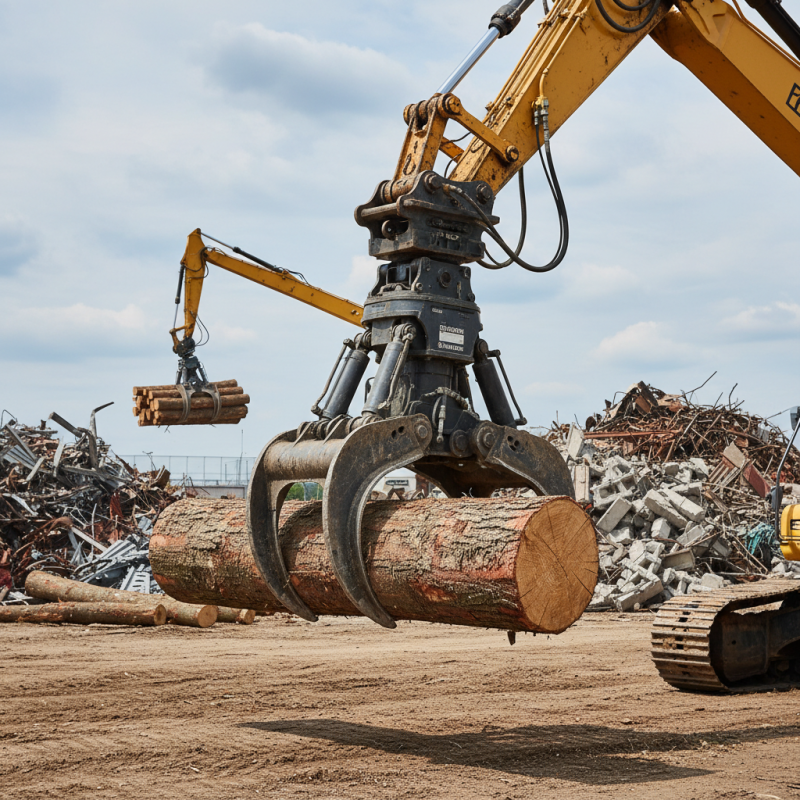
A mechanical grapple is a specialized attachment used primarily in heavy machinery like excavators and loaders. It excels at handling bulky materials such as logs, rocks, and debris. The device operates through a set of hydraulic cylinders that open and close the grapple's claws. This allows the operator to grasp items securely, providing maximum efficiency during material handling. According to industry reports, the market for mechanical grapples is expected to grow by 5.2% annually, reflecting the increasing reliance on heavy machinery across various sectors.
Mechanical grapples come in various designs, tailored for specific tasks. Some grapples have sharp teeth to penetrate tough materials, while others feature broad, flat surfaces for stability. The durability of the materials used affects performance; high-strength steel is common. However, grapples have their limitations. Improper use can lead to structural damage. For instance, excessive weight can cause hydraulic failures. Regular maintenance is essential. Operators should be trained to use the grapple effectively. Statistics indicate that equipment malfunctions can lead to project delays, costing companies thousands. Attention to detail is crucial to maximize the grapple's lifespan and efficiency.
A mechanical grapple is a versatile tool used for handling various materials. Its basic components play a crucial role in its functionality. Typically, a grapple consists of a frame, jaws, a hydraulic system, and a mounting mechanism. The frame provides structural support, while the jaws are designed to grip different items securely.
The jaws are often equipped with teeth or pads for better traction. This feature allows them to handle logs, construction debris, or scrap metal effectively. The hydraulic system powers the movement of the jaws, allowing for precise control. Operators can open and close the grapple as needed, ensuring a firm hold without damaging the load.
**Tips:** Ensure regular maintenance on the hydraulic components. Clean any debris that may affect performance. Check the jaws for wear and tear. A well-maintained grapple operates effectively and safely. Inadequate care may lead to operational failures, resulting in costly repairs or injuries.
It's essential to understand the mounting mechanism as well. Grapples can be fitted onto excavators, skid steers, or cranes. Each type of machinery requires specific adaptations. If the grapple doesn’t match well, it can lead to inefficiencies. Operators should consult manuals to ensure compatibility. This knowledge influences productivity and safety standards in the field.
Mechanical grapples are powerful tools used in various industries for handling heavy materials. These devices are often attached to cranes or excavators. They use hydraulic systems to open and close their jaws, enabling them to grasp and manipulate objects.
Understanding how mechanical grapples function can enhance efficiency on worksites. Here’s a simple breakdown. First, hydraulic power is harnessed through a pump. This power moves fluid into cylinders connected to the grapple. As fluid fills the cylinder, it pushes the grapple’s arms open. Reversing the fluid flow causes it to close, creating a firm grip on items like logs or debris.
**Tips:** When using a mechanical grapple, always check its hydraulic fluid levels. Low levels can hinder its performance. Regular maintenance is also essential. Look for wear and tear in the grapple’s components to avoid failures.
Operating a mechanical grapple requires training. An experienced operator can effectively manage loads, preventing accidents. However, inexperienced users may struggle with control. Always practice safe operation. Remember to communicate clearly with the team and ensure everyone is aware of the surroundings.
Mechanical grapples play a crucial role in various industries, offering versatility and efficiency. In construction, they are essential for lifting and moving heavy materials. They securely grip items, from timber to metal, making loading and unloading quicker. The robust design allows for reliable performance, minimizing delays on job sites.
In waste management, mechanical grapples excel at sorting and handling debris. These tools can easily pick up garbage or recyclables, reducing manual labor. The precision of a grapple ensures that only the desired items are collected, leading to cleaner operations. However, operators must remain vigilant. An oversight can lead to damaged equipment or safety hazards.
**Tips for Using Mechanical Grapples:**
Always check for wear on the grapple’s components. Regular maintenance extends the life of your equipment. Training operators on safe practices is vital. A well-informed team minimizes accidents and boosts productivity. Consider the environment where the grapple will be used. Different materials and terrains require different approaches.
Mechanical grapples are essential tools in various industries, especially in construction and logging. Regular maintenance is crucial to ensure the efficiency and safety of these devices. According to a report by the Occupational Safety and Health Administration (OSHA), improper maintenance can lead to accidents, with equipment failure accounting for 24% of workplace injuries.
Operators need to conduct routine inspections. Check for wear on the hydraulic hoses and the integrity of the jaws. A damaged grapple can become a hazard, leading to costly damages and injuries. Cleaning is also vital. Debris buildup can impede functionality and lead to overheating.
Safety tips are paramount. Always use the grapple within its load capacity. Overloading can cause equipment failure and endanger workers. Training personnel thoroughly is critical. Statistics show that 70% of accidents result from operator error. For this reason, awareness of the grapple's operation, along with proper safety gear, is essential. Regular safety meetings can foster a culture of safety.
: A mechanical grapple is used for handling bulky materials like logs, rocks, and debris with heavy machinery.
It operates through hydraulic cylinders that open and close the grapple's claws to securely grasp items.
The main components include a frame, jaws, hydraulic system, and a mounting mechanism for various machinery.
Regular maintenance prevents equipment failures and costly repairs. It keeps the grapple operating efficiently and safely.
Operators should check for wear on the jaws and hydraulic components to avoid operational failures.
Using a grapple improperly can lead to structural damage or hydraulic failures, impacting project timelines.
Grapples can be fitted onto excavators, skid steers, or cranes, depending on specific tasks.
Different terrains and materials require specific approaches to ensure effectiveness and safety during operations.
Sharp teeth penetrate tough materials better, while broad surfaces provide stability for handling various items effectively.
Lack of training can lead to accidents, equipment damage, and reduced productivity on job sites.
A mechanical grapple is a versatile attachment used in various industries for handling materials and objects with precision. Typically composed of components such as arms, hydraulic cylinders, and gripping claws, these devices are designed to securely grasp and manipulate heavy loads. The functioning of a mechanical grapple involves a series of steps where hydraulic power is utilized to open, close, and lift items, allowing for efficient material handling.
Mechanical grapples find applications in construction, forestry, waste management, and recycling, showcasing their ability to streamline operations in demanding environments. Proper maintenance and adherence to safety guidelines are crucial for maximizing the performance and lifespan of mechanical grapples, ensuring both operator safety and equipment reliability. Overall, the mechanical grapple is an essential tool for enhancing productivity and efficiency in various industrial processes.
