 Huida
Huida
Huida
Huida
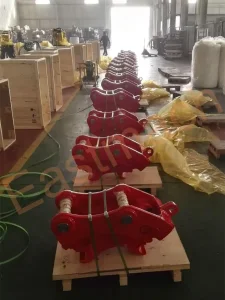
In modern heavy engineering, demolition, and scrap reclamation infrastructure, the efficiency of hydraulic machinery dictates operational profitability. Foremost among the components enabling high-speed equipment transitions is the weldable coupler. This engineered critical joint acts as the structural nexus between the excavator arm and specialized attachments—such as Eagle hydraulic shears, crushers, breakers, and sorting grapples. A weldable coupler must withstand extreme cyclic mechanical stress, immense torsional shear forces, and severe environmental loading under thousands of pressure bars.
This comprehensive industry analysis is prepared to detail the exact engineering paradigms, quality assurances, international compliance systems, and supply chains that professional engineering buyers must consider when sourcing top-tier weldable quick couplers. With Yantai Huida Intelligent Equipment Co., Ltd. serving as the focal benchmark for international industrial manufacturing standards, this paper covers how global procurement strategies can be optimized via Chinese heavy-equipment manufacturing clusters.
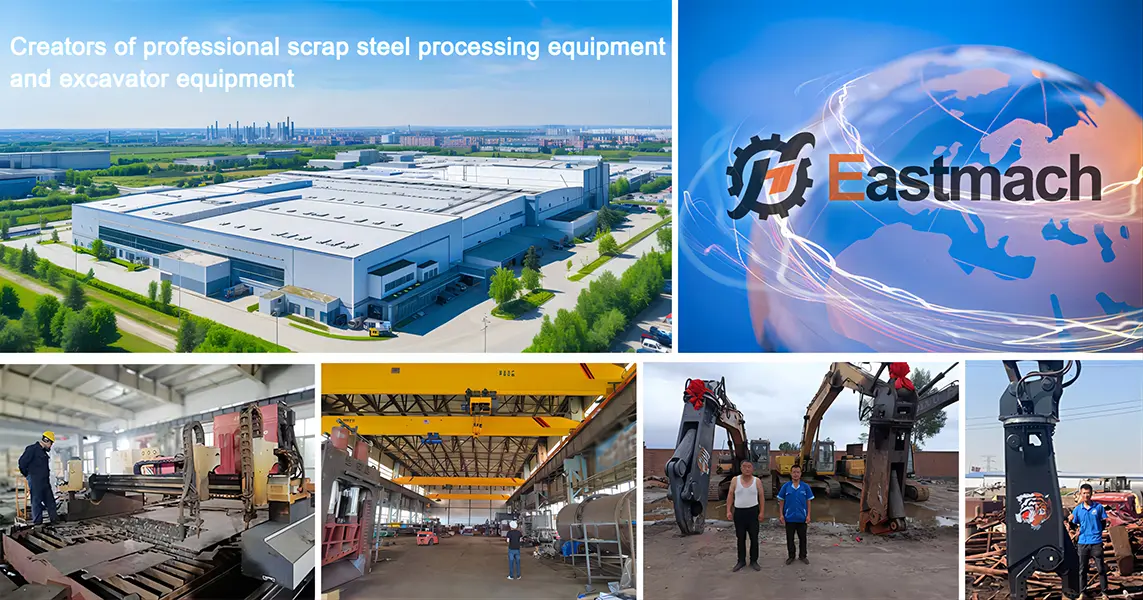
Yantai Huida Intelligent Equipment Co., Ltd.
Initially established in December 2016 and restructured with dynamic expansion on March 25, 2019, Yantai Huida has secured a commanding registered capital of 20 million yuan. Positioned as a global authority, the enterprise is profoundly dedicated to the research, development, high-end production, and strategic distribution of scrap steel processing mechanisms, automobile recycling assemblies, renewable resource utilization plants, environmental conservation solutions, and custom excavator attachments.
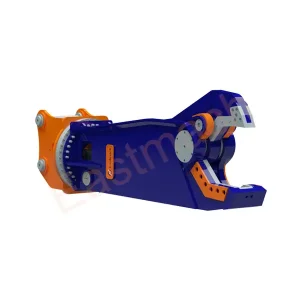
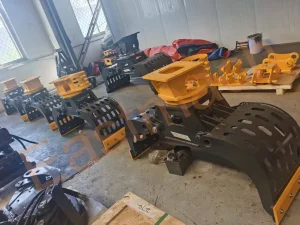
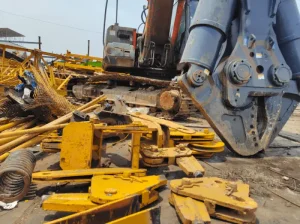
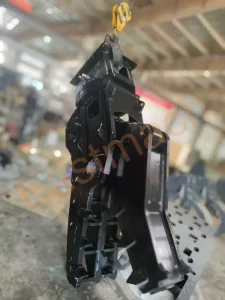
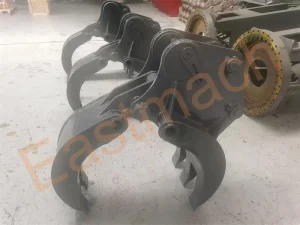
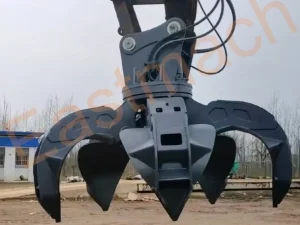
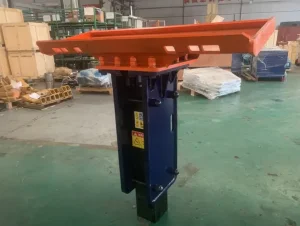
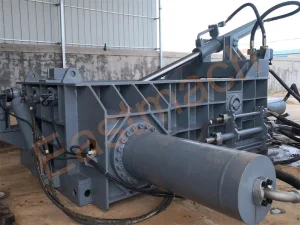
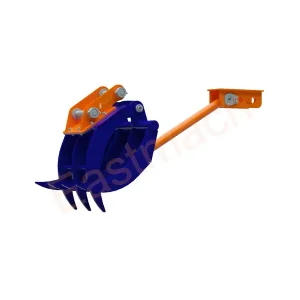
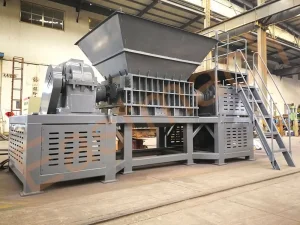
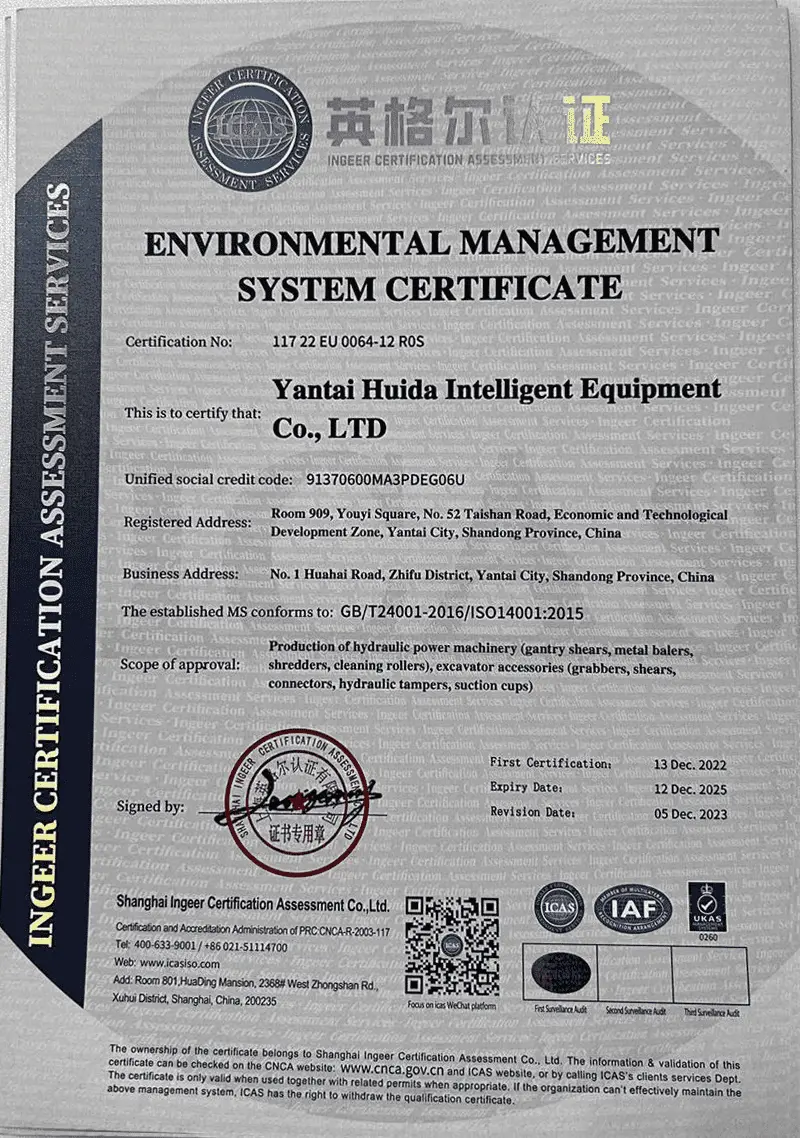
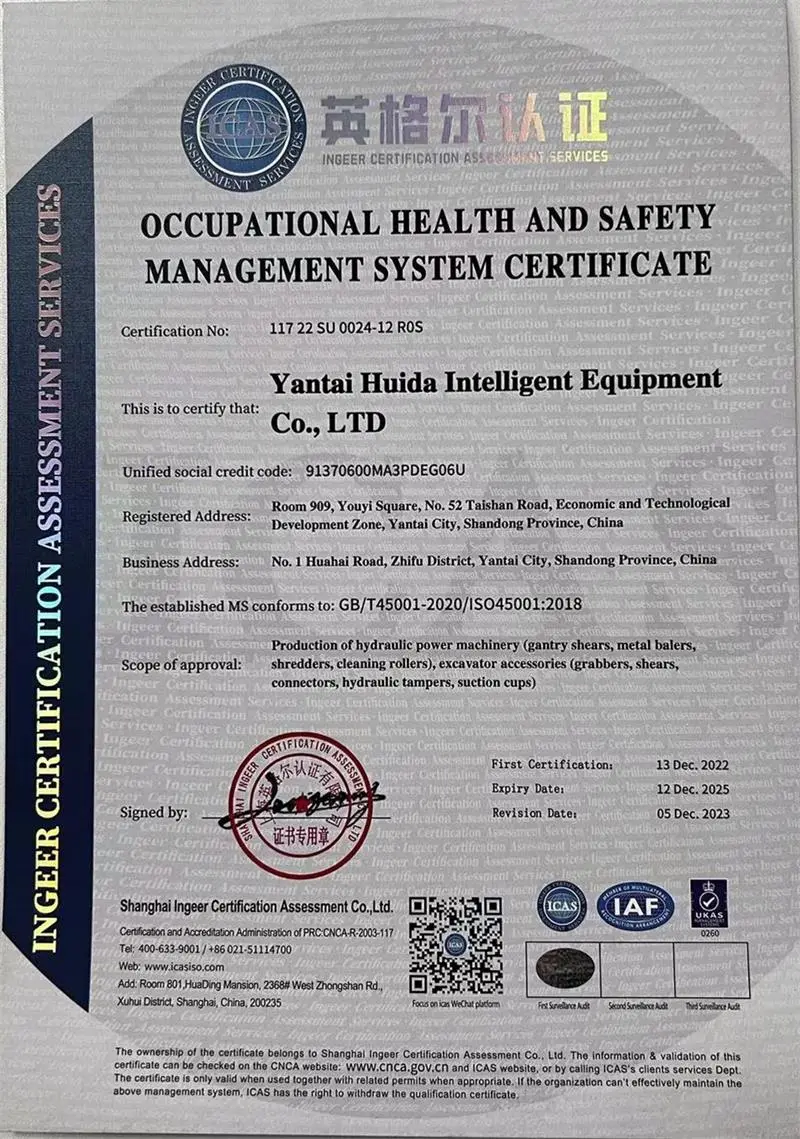
Holding nearly 40 product invention and utility patents, Yantai Huida's core operations incorporate precision-engineered heavy-duty excavator attachments: Eagle hydraulic shears, Double Cylinder Steel Shears, Hydraulic Car Scrap Shears, Crusher systems, Grab configurations, Electromagnetic Lifters, Rippers, Breakers, and the pivotal quick Couplers. Every individual output undergoes exhaustive, non-destructive quality controls from foundational raw steel selection to field-ready logistics delivery, operating in strict compliance with the ISO9001 quality management framework.
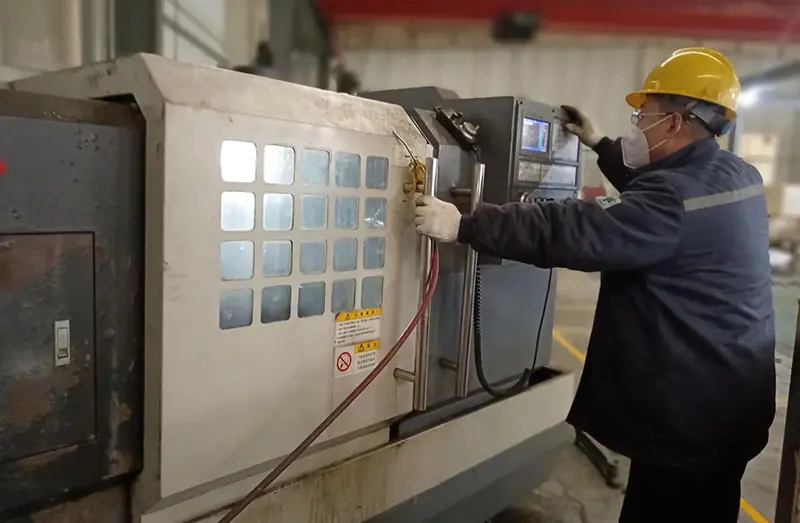
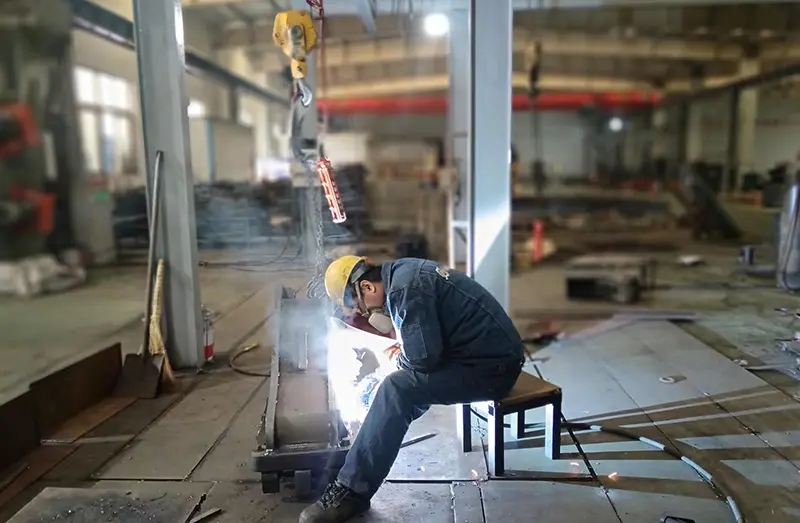
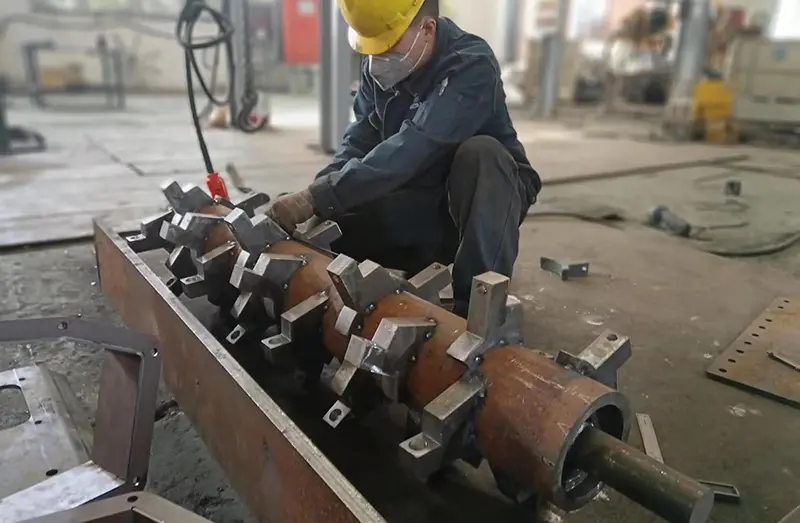
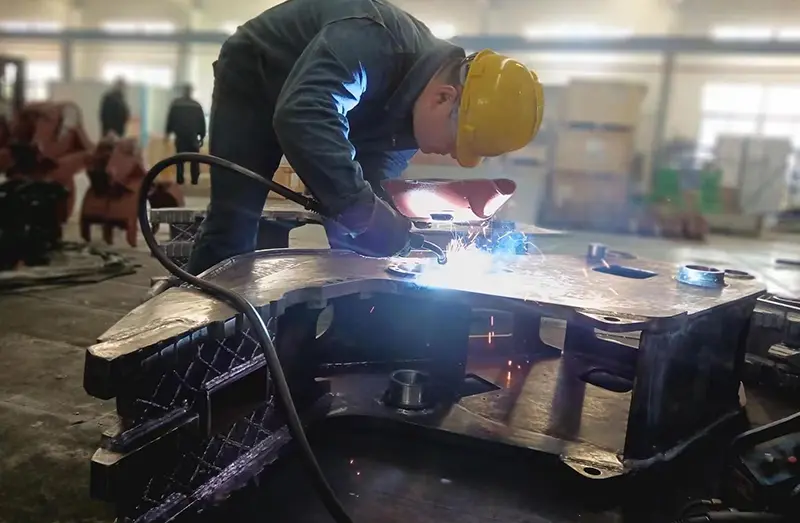
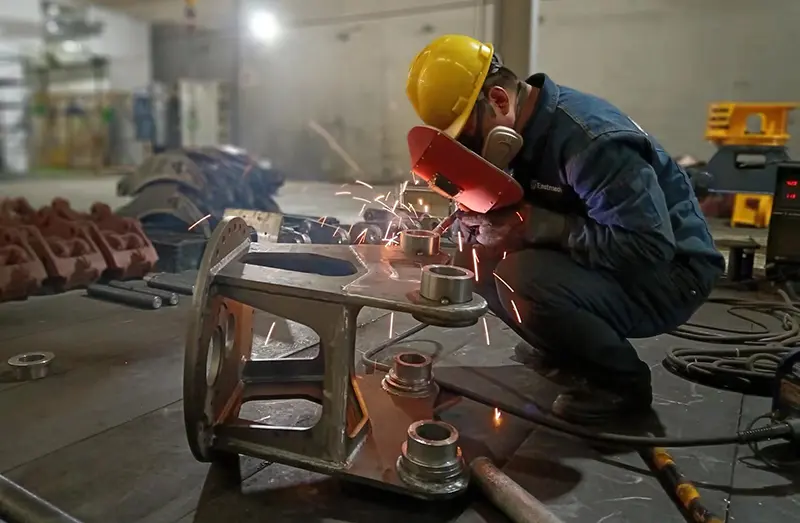
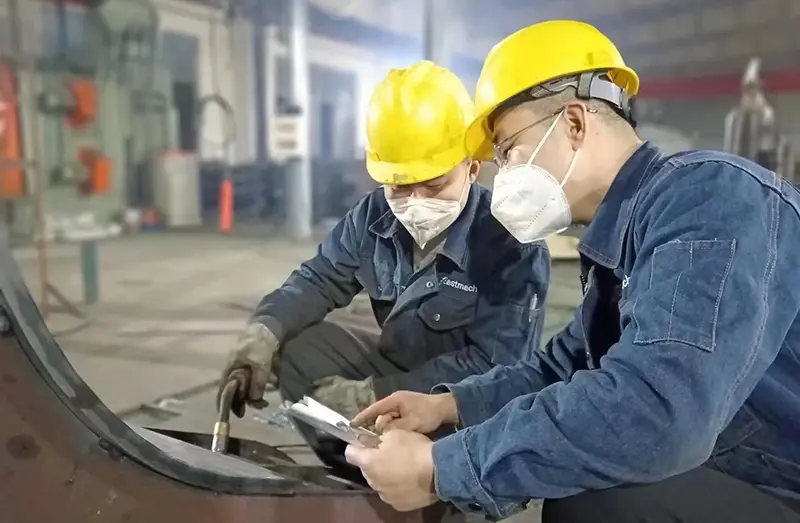
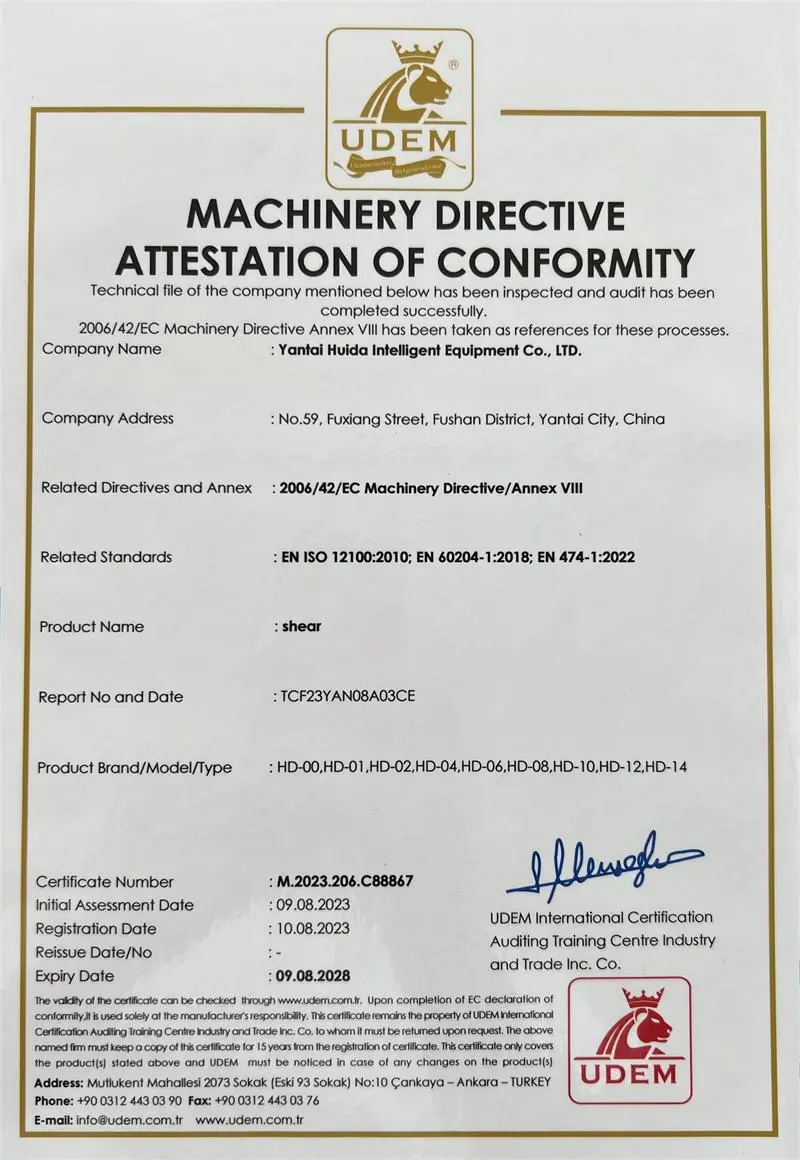
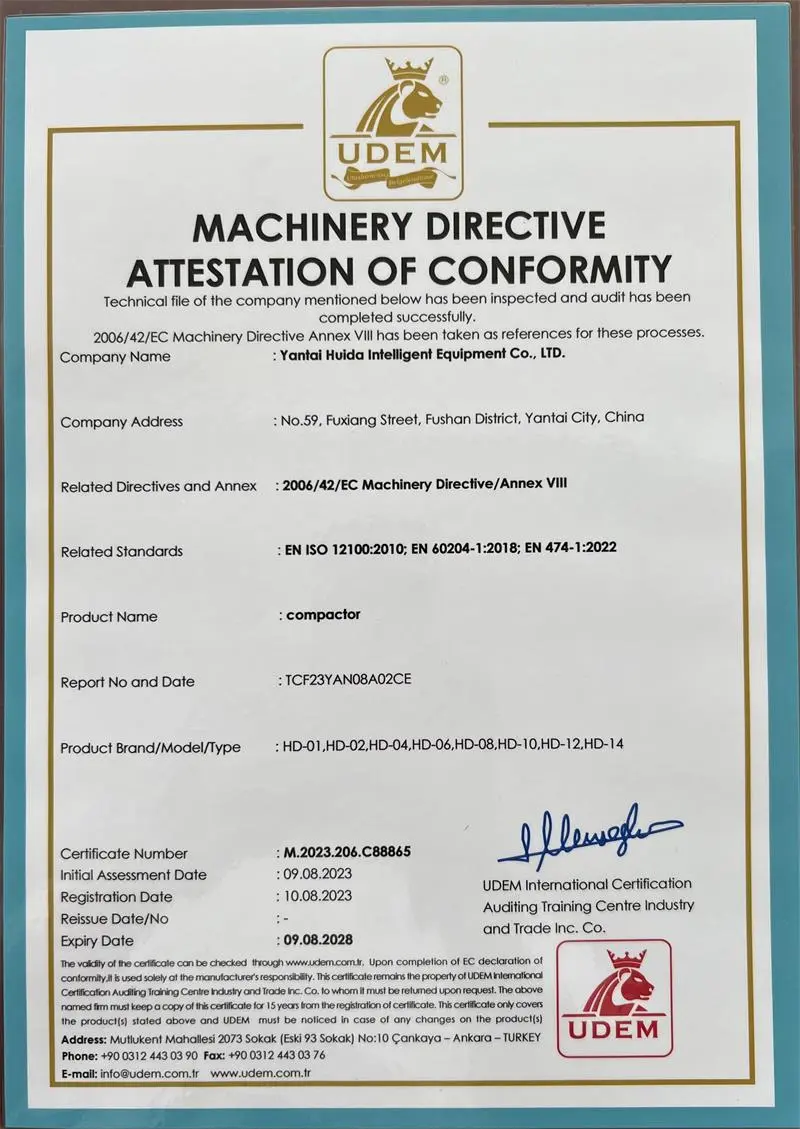
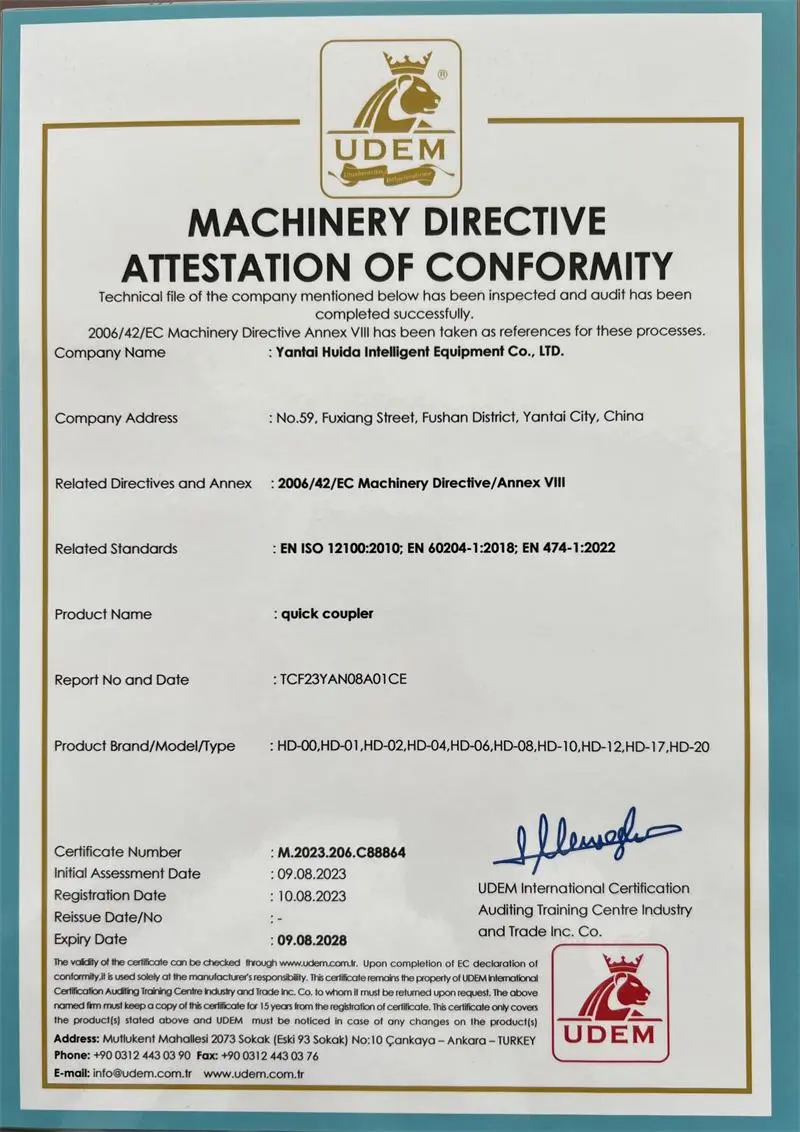
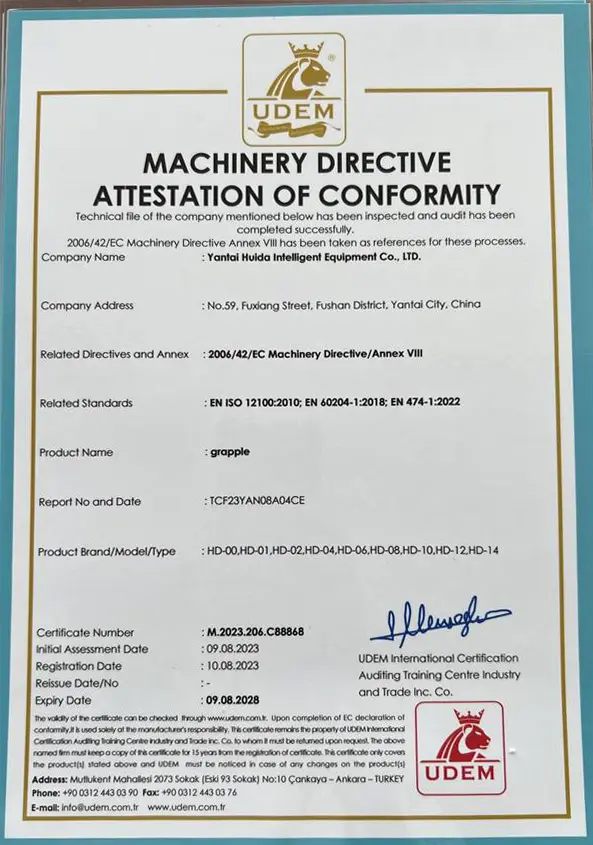
To operate across highly regulated North American and European sectors, weldable couplers must strictly align with safety standards such as ISO 13031 (Earth-moving machinery—Quick couplers—Safety) and the European CE Machinery Directive 2006/42/EC. Manufacturers enforce active mechanical secondary lock systems and integrated check valves. These systems keep attachments locked even in the event of a sudden loss of hydraulic pressure.
Recognizing that immediate response prevents idle fleet costs, global manufacturers offer technical response windows within 24 hours. By partnering with localized equipment dealers, engineering organizations receive fast access to custom-machined replacement pins, bushing kits, and onsite welding engineers who inspect base-arm alignment parameters.
Reliability is proven by clear documentation. Authentic weldable coupler providers supply comprehensive mill test certificates (MTC) matching EN 10204 Type 3.1 specifications. This guarantees the precise chemical composition (carbon equivalents) and mechanical properties (impact toughness and yield strengths) of the heavy-duty steel used in production.
Purchasing weldable couplers from Chinese engineering hubs, like Yantai in Shandong province, offers significant commercial and technical advantages for international procurement teams. The regional heavy industrial infrastructure delivers optimized procurement pathways through several key channels:
Chinese manufacturers benefit from direct access to major local steel producers, including Baosteel and Ansteel. This ensures a reliable supply of premium, high-tensile alloys like Q355D, Q460, and genuine Hardox wear plates. By sourcing materials locally, companies bypass global import delays and protect their production schedules from supply chain shocks.
Yantai Huida’s manufacturing division leverages the expertise of six dedicated R&D engineers and nearly fifty master technicians. Their specialized knowledge ensures that structural designs, stress-distribution profiles, and joint designs are engineered to prevent crack propagation under high-cycle hydraulic operations.
By integrating highly automated robotic welding systems, advanced multi-axis CNC machining, and optimized local supplier ecosystems, Yantai Huida delivers top-tier couplers at a highly competitive total cost of ownership. These efficiency gains are passed directly to international buyers.
The Pillars of Technical Excellence
"Never give up, never give up" represents the foundational team spirit of Yantai Huida's division. The organization maintains strict operational protocols to guarantee safety and product quality, providing a solid foundation for timely, high-quality project delivery.
In parallel, the engineering group focuses on supplier management and raw material validation plans, ensuring product quality at the source. Yantai Huida maintains long-term cooperative partnerships with trusted steel producers and structural component providers, guaranteeing consistent material grades and reliable production schedules.
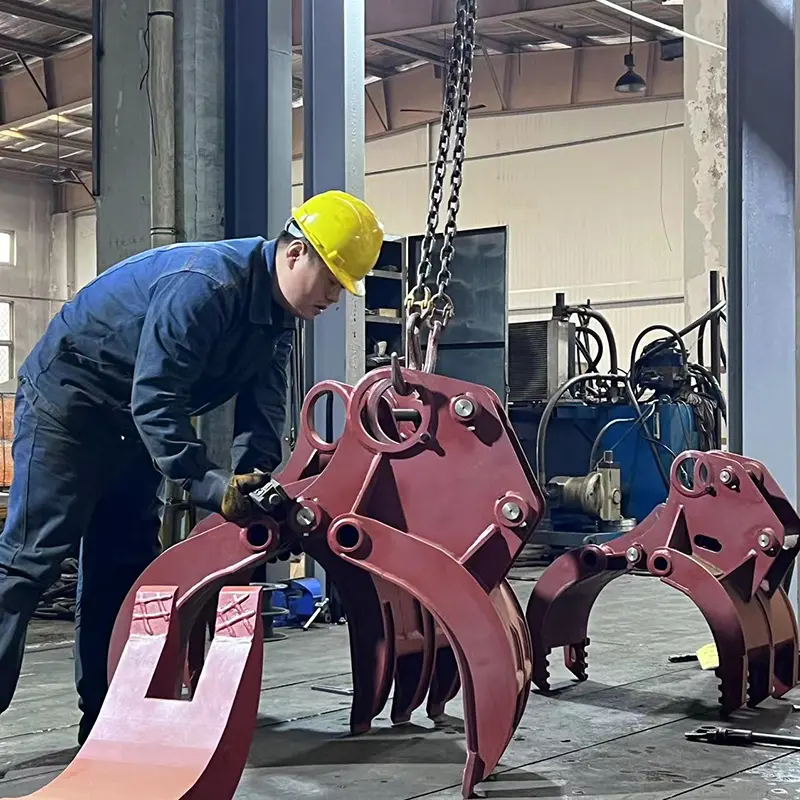
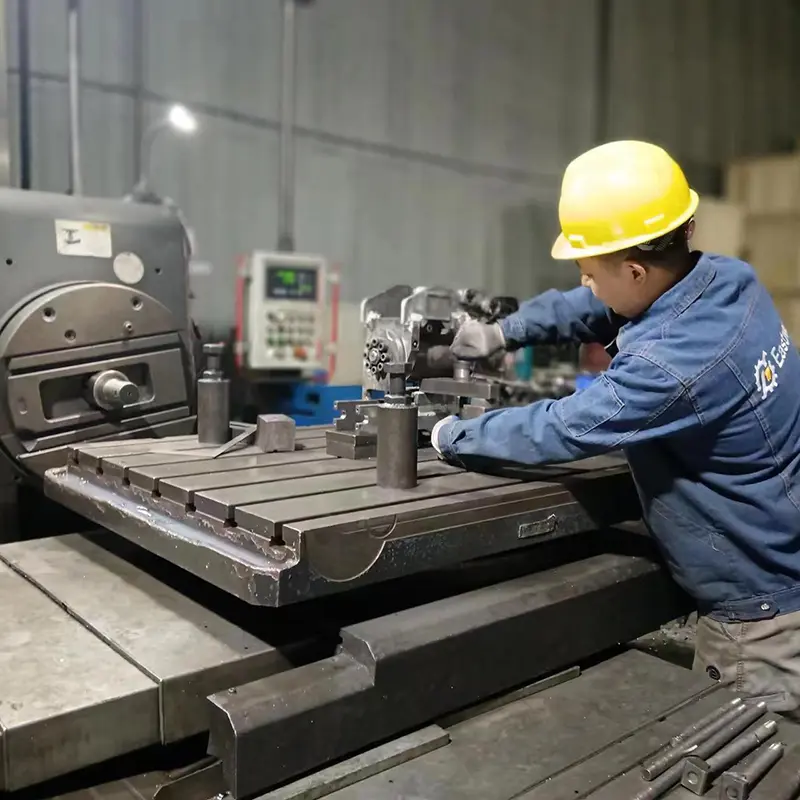
Enterprise procurement departments at major construction companies, demolition firms, and rental fleets evaluate weldable couplers using strict criteria that balance technical performance with long-term cost efficiency:
Procurement packages require comprehensive technical documentation. This includes 3D STEP models, detailed welding procedure specifications (WPS) verified to AWS D1.1/D1.1M, and finite element analysis (FEA) reports that map mechanical stress concentrations and identify yield limits under peak loading.
Because base-arm configurations can vary, suppliers must adapt ear group pin diameters, spacing distances, and width parameters to match different carrier fleets. This ensures a precise, zero-slop fit across varied excavator models.
Enterprise buyers evaluate the total life-cycle costs of their equipment, prioritizing fast turnaround times on replacement wear kits, seal packages, locking pins, and protective brackets to maintain high machine uptime.
As digital technology and automated site processes continue to reshape the construction and demolition sectors, quick coupler designs are evolving to meet new demands through key industry innovations:
Next-generation systems integrate embedded electronic sensor arrays that communicate directly with the excavator's onboard telematics. These sensors monitor real-time locking pressure, verify physical lock engagements, and detect jaw misalignment, showing alerts on the operator console to prevent operational risks.
Advanced metallurgical engineering focuses on reducing overall coupler weight while increasing load capacity. Utilizing high-strength alloy castings combined with structural structural profiles, modern designs decrease the coupler's weight profile to maximize the excavator's effective lifting and breakout capacity.
During structural demolition operations, operators switch rapidly between concrete pulverizers, demolition shears, and heavy breakers. A weldable quick coupler enables attachment changes in under two minutes, saving significant time compared to manual pin changes while keeping the operator safely inside the cab.
In metal reclamation facilities, heavy machines cycle between Eagle hydraulic shears for structural cutting, sorting grapples for material distribution, and electromagnets for clean-up. High-capacity weldable couplers must withstand continuous pressure spikes, abrasive metal particulate build-up, and constant vibration.
Infrastructure and utility works require precise handling. Crews shift between narrow trenching buckets, wide grading buckets, compaction plates, and rippers. A reliable coupler ensures clean excavation lines, accurate pipe placements, and improved productivity in confined workspaces.
Dedicated factory-direct supply, tailored OEM/ODM production and processing, prompt technical response, and custom attachment system design.
OEM engineering partners, authorized equipment distributors, rental fleets, scrap reclamation centers, and civil infrastructure contractors.
Technical responses within 24 hours, strict confidentiality for commercial designs, and full compliance with certified production and material specifications.
To ensure maximum lifecycle performance for your heavy attachments, Yantai Huida provides fully structured support pathways:
A: Weldable couplers provide a semi-permanent, structurally rigid connection that minimizes joint play, slop, and pin wear. Unlike pin-on designs, which can experience wear at the arm tip under heavy cyclic loading, a weldable coupler distributes torsional forces evenly across the quick-coupler frame. This structural integrity is critical for heavy attachments like Eagle shears and scrap pulverizers.
A: Reliable manufacturing requires mill test certificates (MTC) matching EN 10204 Type 3.1, confirming carbon equivalent levels for secure weldability. All structural welds should be executed by qualified specialists under AWS D1.1 guidelines, followed by non-destructive testing (NDT)—including ultrasonic and magnetic particle inspections—to verify the absence of sub-surface micro-cracking.
A: Yes. Experienced manufacturers can customize mounting dimensions, pin spreads, and ear widths. This flexibility ensures that the coupler integrates cleanly with various machine models while maintaining the proper kinematics and breakout force characteristics of the excavator arm.
A: Modern couplers utilize a dual-protection safety system. This combines a primary hydraulic lock controlled from the cabin, an integrated pilot-operated check valve that maintains pressure if a hose ruptures, and a mechanical secondary safety lock (such as a spring-applied lock or manual pin) that prevents attachment release.
A: For heavy-duty operations like scrap demolition, the coupler should be greased every 8 operating hours to clear abrasive debris and protect the pins. Daily pre-shift inspections should verify hydraulic hose integrity, locking jaw wear, and structural welds to ensure long-term operational safety.