 Huida
Huida
Huida
Huida
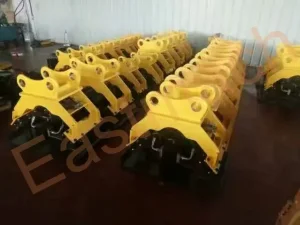
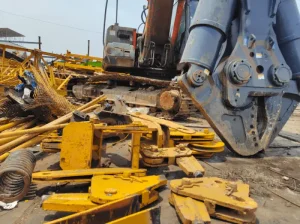
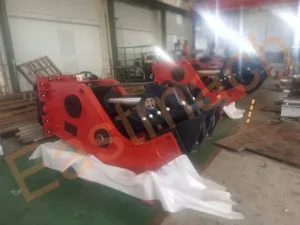
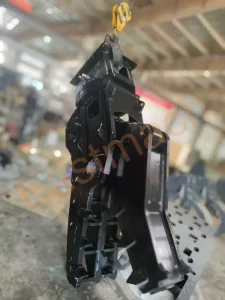
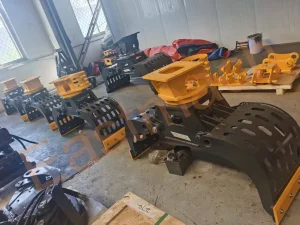
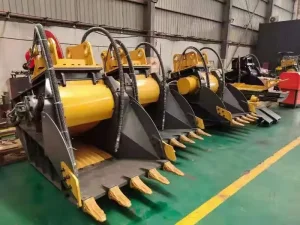
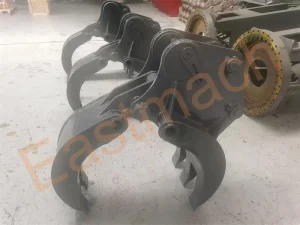
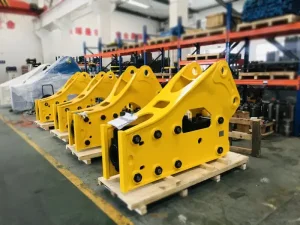
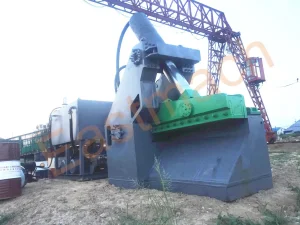
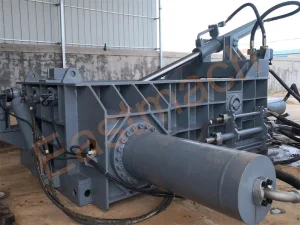
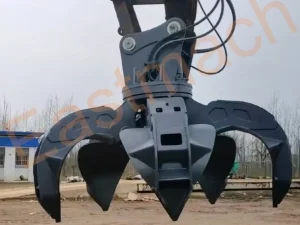
As global industries pivot toward a circular economy, the demand for high-performance Hydraulic Rotating Scrap Steel Eagle Shears has surged. This equipment serves as the backbone of modern automobile recycling and demolition sites. By optimizing the metal shear-to-weight ratio, Chinese manufacturers like Yantai Huida have revolutionized processing efficiency, reducing operational downtime by up to 30%.
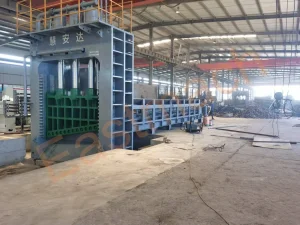
The "China Manufacturer" narrative has evolved from pure low-cost production to high-end engineering excellence. Through ISO9001 certification and advanced R&D, Chinese factories now provide a level of supply chain resilience that is vital in volatile global markets. By integrating vertical supply chains—from raw material sourcing to finished component heat treatment—Chinese suppliers ensure consistent product quality.
Our engineering focus at Yantai Huida is driven by data-centric design. We don't just build attachments; we engineer systems. Our roadmap includes:
Transitioning from manual controls to AI-integrated hydraulic systems that adjust cutting pressure in real-time based on material density, protecting the excavator's boom from stress fractures.
Implementation of wear-resistant alloy steels that offer 20% higher impact resistance compared to standard carbon steels, significantly extending the lifecycle of Eagle Shears.
Whether you are operating in North America, Europe, or Southeast Asia, our equipment is designed to comply with local safety and operational norms. We prioritize compliance to ensure seamless deployment:
China offers an unparalleled ecosystem of specialized manufacturing for heavy machinery. With economies of scale, vertical integration, and aggressive R&D, Chinese manufacturers provide the best ROI for scrap processing operations globally.
Depending on complexity and volume, our standard production cycles are highly optimized. We provide 24-hour technical responses to ensure your project timeline is never compromised.
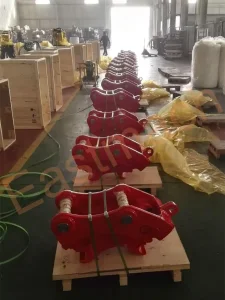
We implement rigorous multi-stage quality control, from raw material inspection and heat treatment verification to final hydraulic pressure testing, all under ISO9001 management protocols.